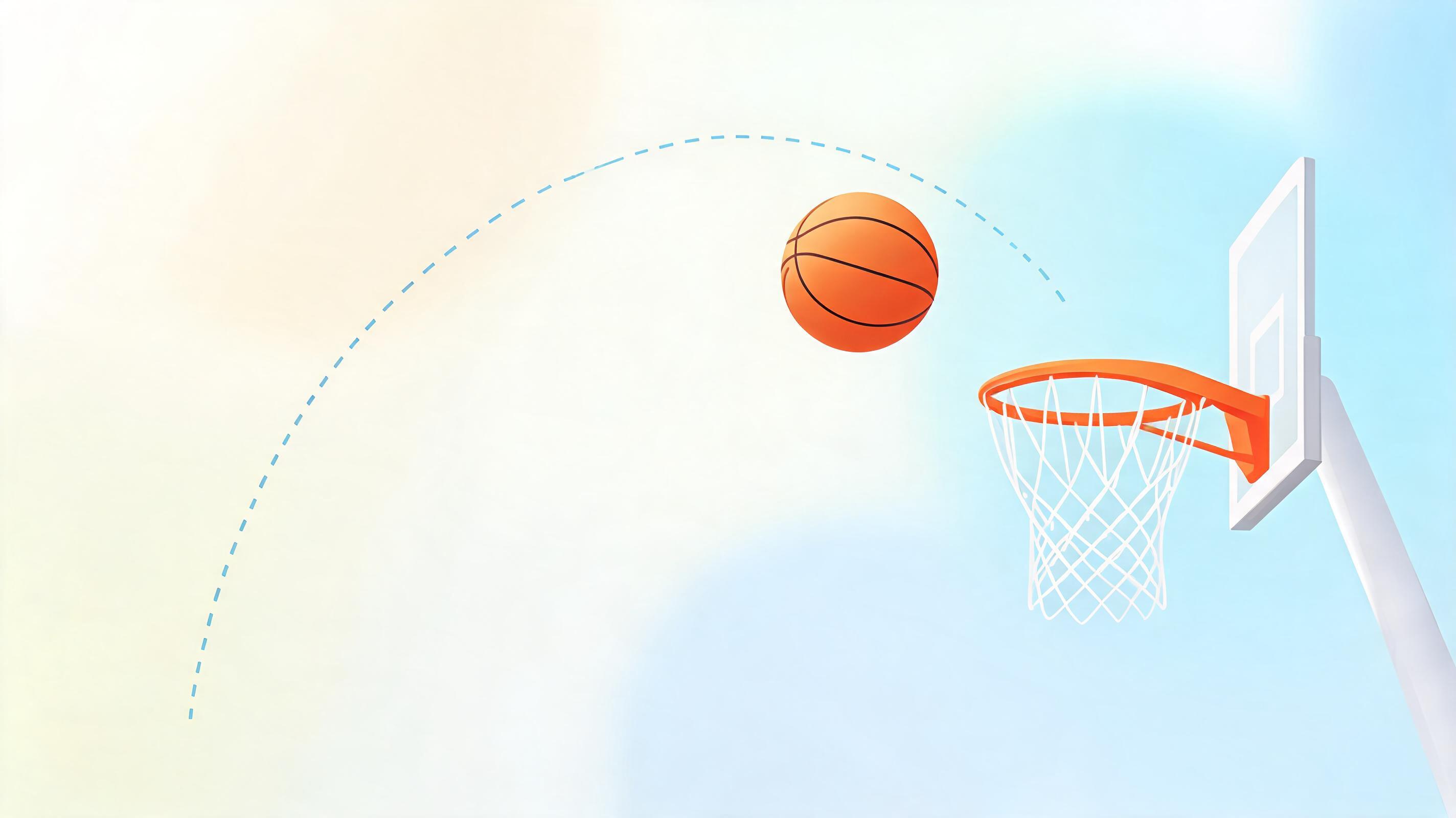
Basketball-style browser games look twitchy, but the players who streak are usually the boring ones: same stance, same arc, same small corrections. Flashy flicks make highlights; repeatability makes scores.
Start with one arc you trust
Pick a medium-high path that clears the front of the rim and drops softly. Stay inside a narrow power band until the game forces you to change—moving hoops, wind, or obstacles. When everything feels chaotic, return to that default instead of chasing a new trick each possession.
Anchor your eyes on a fixed point: back rim, net tape, or a corner of the backboard. Moving targets still use the same anchor; you shift release timing, not your whole technique every shot.
Release timing beats raw speed
Most rims travel on a loop. Watch one full cycle, count a quiet beat, and release just before the opening you want. Late releases chase the target; early releases meet it. If you miss repeatedly in the same direction, nudge timing before you add power.
When obstacles appear, raise arc slightly and trim force. High paths slip over clutter; flat lasers clip edges and pick up random spin.
Read feedback without panicking
A front-rim clank often means too much force or too flat an entry. A side rattle can mean you chased a moving window. A clean swish means your cadence held—protect it on the next shot instead of celebrating with a harder flick.
After two misses, take one deliberate slow shot to reset rhythm. Treat it like tuning an instrument, not admitting defeat.
Pressure changes the hands, not the math
Timers and streak multipliers tempt rushed swipes. Keep shoulders loose and shorten the motion rather than accelerating it. A compact stroke survives nerves better than a full wind-up.
Short sessions help: ten focused minutes with the same arc will outgrow an hour of random power changes. Browse our ball games, pick one title, and practice one routine until it feels automatic.