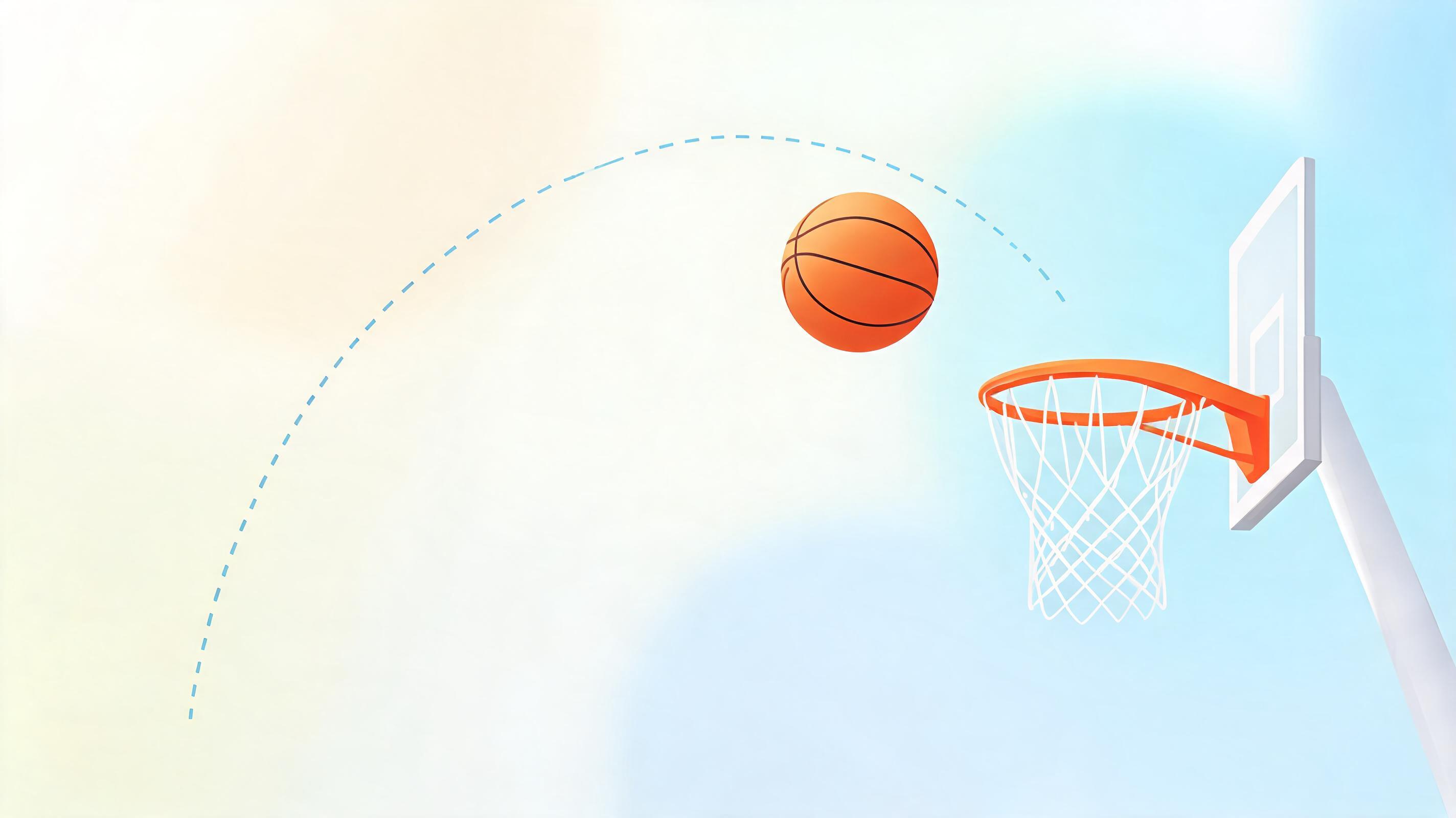
When a shot feels “wrong” in a browser physics game, the fix is usually boring and reliable: you released too flat, aimed too late, or ignored how the surface will steal energy. Luck still shows up—but most misses are readable once you know what to watch.
Gravity turns speed into a curve
Launch something upward and gravity bends the path into an arc. Horizontal motion and vertical motion behave independently in simple engines, which is why a gentle loft can travel farther than a frantic flick. Your eye learns to spot the highest point of the arc; that peak is often halfway across a level field, which makes landing zones easier to predict.
Moving targets add one step: estimate how long the shot stays airborne, then aim where the target will be—not where it is. You do not need equations on screen; you need a rhythm. Count a beat, release slightly early, and adjust power in small steps.
Bounces are geometry with a tax
Walls return shots at predictable angles when the game uses clean reflection rules. Real browser titles also apply a bounce penalty: some surfaces are springy, others deaden the ball. Metal ramps might boost you; cloth pads might kill speed. Treat materials as part of your route, not decoration.
Shallow approaches can skim instead of rebound, which is useful in tight corridors. Steeper impacts rebound higher but bleed speed. If a puzzle expects three touches, plan energy for each touch—most failures are “not enough left for the last bounce.”
Wind and drag change the plan
Wind pushes the whole flight path. Longer hang time means more drift, so high arcs get punished unless you compensate. Low, firm shots resist wind but demand precision. When a level introduces gusts, bias toward shorter flights and adjust aim into the wind rather than hoping to correct mid-air.
Some 2026 browser games add light drag, so shots fall off on the way out. If your line looks perfect but lands short, try a touch more power or a slightly higher release—not a completely new angle.
Build a feel for each session
Open a new stage with two test shots: one soft, one firm. Notice how fast objects fall and how walls behave. That thirty-second calibration beats guessing for ten minutes. Write mental notes—“medium power clears the gap, hard power rattles the rim.”
After a miss, change one variable. Angle, power, or timing—not all three. Players who stack corrections usually overshoot the fix. Keep a narrow power band once you find it; consistency beats hero shots.
Ready to practice? Our ball and shooting collections are full of games where these ideas show up in seconds, not tutorials. Pick one, set a simple arc, and let the physics do the rest.